Orange County Multifamily Property Management
We Eliminate the Stress of Property Ownership
Multifamily Properties Aren't Just Bigger Rentals. They're a Different Operational Animal.
Single-family rental management is one set of disciplines. Multifamily rental management is another. The difference isn't subtle, and owners who've made the transition from one to the other typically discover it the hard way.
A small multifamily property (a duplex, triplex, or fourplex) carries operational complexity that doesn't exist with single-family. Utility allocation. Common area maintenance. Parking management. Laundry facilities. Resident-on-resident dynamics. Compliance frameworks that apply differently than they do to single-family rentals. Capital projects that affect multiple units at once. Each of these is its own discipline, and getting them wrong creates problems that compound across all the units rather than just one.
Coastal Oak Property Management focuses on small multifamily (two to four units) as a core part of the work we do alongside single-family rentals, and we take on properties in the five-to-fifteen unit range selectively where the fit is right. The approach is the same across both: documented processes, strategic perspective, and operational discipline calibrated to what multifamily properties actually require.
What Multifamily Management Includes
- Utility allocation and bill-back. Properties without fully separated meters require a thoughtful approach to utility costs. We handle bill-back from residents where leases provide for it, coordinate with utility providers, and document the process to keep it transparent for both owners and residents. The way utilities get handled affects net operating income materially, and the structure deserves more attention than it often gets.
- Common area maintenance and cleanliness. Hallways, exterior walkways, courtyards, landscaping, lighting, and trash enclosures all require routine attention that doesn't exist with single-family. We coordinate vendor work to keep common areas in good condition, manage the cost-sharing logic where applicable, and address resident concerns about shared spaces directly.
- Parking management. Multifamily parking ranges from straightforward (one assigned space per unit) to genuinely complicated (mixed assigned and guest spaces, street parking interactions, enforcement on parking violations). We document parking assignments at move-in, manage disputes between residents when they arise, and handle enforcement consistently.
- Laundry and storage facilities. Where the property includes shared laundry or storage, we manage the operational side: vendor coordination for laundry equipment, revenue collection where applicable, storage unit assignments and access, and the small recurring issues these amenities generate over time.
- Resident relations across multiple units. Multifamily living means residents share walls, ceilings, parking, and common areas. Noise complaints, parking disputes, shared-space friction, and other resident-on-resident issues come up more often than they do in single-family contexts. We handle these communications directly, document the interactions, and work toward resolution that preserves the long-term occupancy of all the units involved.
- Compliance frameworks specific to multifamily. California's rental regulations apply differently to multifamily properties in several specific ways. AB 1482's just-cause and rent cap requirements have exemptions and applications that turn on property type and age. Some local ordinances (rent stabilization, additional just-cause requirements, registration requirements) apply specifically to multifamily or above certain unit thresholds. The compliance framework that fits a single-family rental doesn't automatically fit a fourplex, and getting this layer right matters.
- Capital planning across multiple units. Capital projects in multifamily properties affect more than one unit at a time. Roof replacement, plumbing system updates, electrical service upgrades, foundation work, exterior painting. The cost, the timing, and the coordination with residents all need to be planned with the full property in view. We approach capital planning as a multi-year framework rather than as a series of reactive decisions, which matters more for multifamily than for almost any other property type.
How We Approach Multifamily Management
The operational difference between single-family and multifamily management is the volume of small recurring decisions. Each unit, each shared system, each common area generates ongoing inputs that have to be processed consistently. The properties that perform well over time are the ones where those decisions get made the same way every time.
Our approach is built around documented processes specifically because multifamily management amplifies the cost of inconsistency. A maintenance approach that works on a single-family rental can break down across four units. A communication style that works one-on-one can create friction in a multi-tenant context. A compliance framework that fits one rental can fall short for a property where multiple residents have overlapping rights and obligations.
The strategic frame also runs through multifamily the same way it runs through single-family. The questions are different (return on equity calculations work differently with multifamily financing, hold-versus-sell perspective involves different market dynamics, capital planning operates on different timelines), but the underlying conviction is the same. Every property gets managed with the owner's bigger picture in view, and every decision factors in where the property fits in that picture.
The Property Types We Manage
Coastal Oak Property Management's core multifamily focus is small multifamily, including:
- Duplexes (two units, side-by-side or stacked)
- Triplexes (three units in various configurations)
- Fourplexes (four units, often the operational threshold where multifamily complexity becomes its own discipline)
- Small multi-unit residential properties through fifteen units, evaluated case by case for fit
We don't manage large apartment complexes, mixed-use commercial, or institutional-scale properties. That focus is deliberate. The operational discipline and strategic perspective we bring fit small-to-mid multifamily well, and we'd rather do that work at a high level than spread thin across property types that need different specializations.
House Plus ADU Properties
Accessory dwelling units have become one of the most significant developments in California residential real estate. As the state has reduced the barriers to building them, more owners are adding ADUs to single-family properties, creating a configuration that doesn't fit neatly into either the single-family or the multifamily category. The configuration is especially common across Long Beach, Lakewood, and the surrounding communities.
A house with an ADU is two separate tenancies on one lot, which creates operational considerations that a standard single-family rental doesn't have. Utilities are often shared or partially separated, and the metering arrangement affects how costs get allocated. The two units may share an entrance, a driveway, parking, or outdoor space, which raises privacy and access questions that have to be managed deliberately. And the compliance picture can be genuinely complicated, because whether a property with an ADU falls under AB 1482 or other regulatory frameworks often turns on specifics that most owners don't realize apply to them.
We manage house-plus-ADU properties with attention to exactly these considerations. The two tenancies get treated as the distinct relationships they are, the shared-space dynamics get managed proactively, and the compliance framework gets evaluated for the specific configuration rather than assumed. For owners who've added an ADU as a strategic move (additional rental income, a value-add play, or a multi-generational arrangement that later converts to full rental), the management approach reflects the strategic intent behind the decision.
Why Multifamily Management Matters for Owners
Multifamily properties produce financial outcomes that compound differently than single-family rentals. Multiple income streams provide a degree of resilience against single-unit vacancies. Operational efficiencies improve as unit counts increase. Capital improvements distribute across multiple units, often improving the unit economics of major projects. Financing dynamics shift at certain unit thresholds, opening different options.
But the same dynamics work in reverse when management quality is uneven. A weak maintenance approach affects multiple units at once. A poor screening decision in one unit can drive turnover in the adjacent units. A compliance gap creates exposure proportional to the number of leases involved. The leverage that works in an owner's favor with disciplined management works against them with weak management.
For owners managing multifamily property as part of a larger financial picture, the question isn't whether the property has potential. It's whether the management approach is producing the outcomes the property's structure makes possible. We focus on multifamily because we believe disciplined operations and strategic perspective produce materially different results in this property type. The compounding works in both directions, and the version that compounds in the owner's favor is the version worth working toward.
Ready to Discuss Your Property?
We start every relationship with a conversation about the property, the owner's goals, and how it fits into the larger picture. Schedule a consultation to talk through your specific situation.
Schedule a ConsultationSchedule Your Free Consultation
Owner or Renter?
Discover Orange County
A Rental Market Worth Managing Well
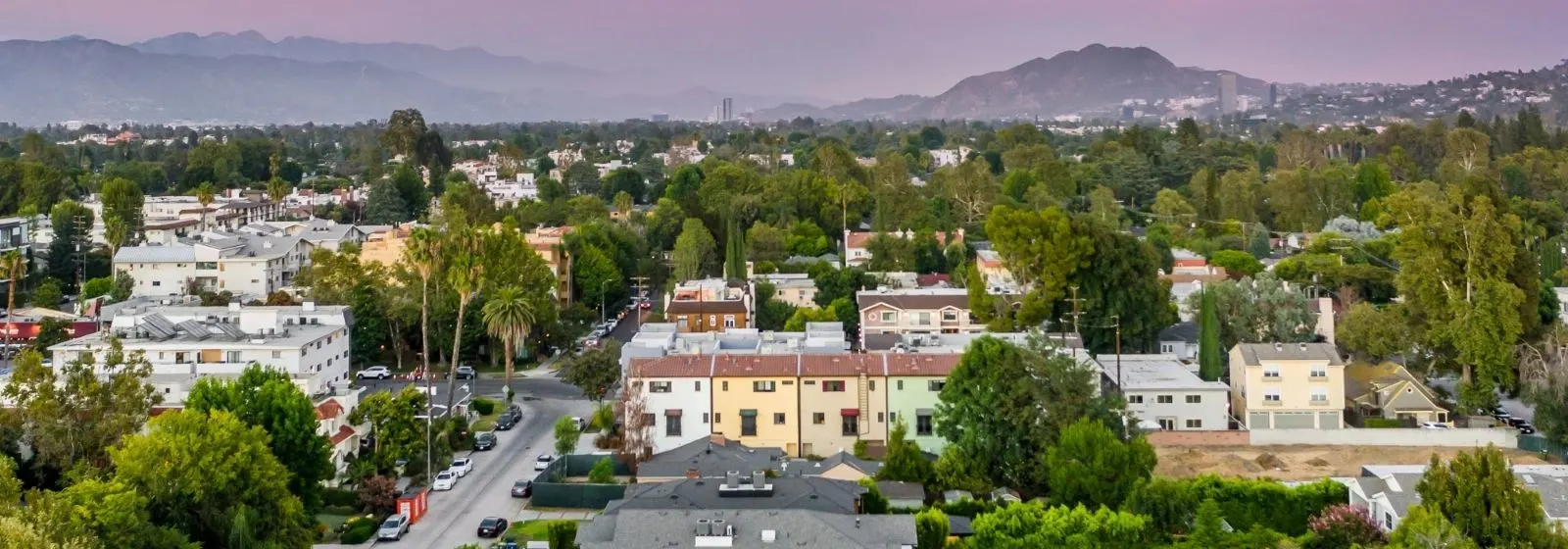
Orange County is one of the most active multi-family markets in California. Steady population growth, strong job centers across healthcare, technology, and tourism, and limited housing inventory all combine to create consistent renter demand across the county. For multi-family owners, that demand shows up as strong occupancy and durable rent growth—but only when a property is leased efficiently, turned quickly, and operated with discipline across every unit. The result is a market that rewards owners who position their buildings well and run them consistently.
It's also one of the most regulated. California's statewide protections (AB 1482, just-cause eviction, fair housing requirements, security deposit law) apply throughout the county, and they carry particular weight for multi-family properties, layered with city and county ordinances that vary by jurisdiction. Property type, unit count, location, and ownership structure all affect what applies. More units mean more compliance surface area, and the cost of getting it wrong has gone up significantly in recent years.
The rental landscape in Orange County rewards both halves of the work: the operational discipline that keeps units leased, maintained, and turning smoothly, and the strategic perspective that positions a building to grow its value over time. Both matter, and both compound across a portfolio. We bring both to every property we manage, from small multi-family in Seal Beach and Los Alamitos to larger apartment communities across Long Beach and the surrounding communities.
Areas We Serve
-
![Orange County Thumbnail]() Orange County
Orange County
-
![Rossmoor Thumbnail]() Rossmoor
Rossmoor
-
![Los Alamitos Thumbnail]() Los Alamitos
Los Alamitos
-
![Seal Beach Thumbnail]() Seal Beach
Seal Beach
-
![Long Beach Thumbnail]() Long Beach
Long Beach
-
![Cypress Thumbnail]() Cypress
Cypress
-
![Lakewood Thumbnail]() Lakewood
Lakewood
-
![Garden Grove Thumbnail]() Garden Grove
Garden Grove
-
![Westminster Thumbnail]() Westminster
Westminster
-
![Fountain Valley Thumbnail]() Fountain Valley
Fountain Valley
-
![Huntington Beach Thumbnail]() Huntington Beach
Huntington Beach
-
![Anaheim Thumbnail]() Anaheim
Anaheim
-
![Sunset Beach Thumbnail]() Sunset Beach
Sunset Beach